7 Creative Uses for Steel Sheds Beyond Storage
- Written by Advertiser
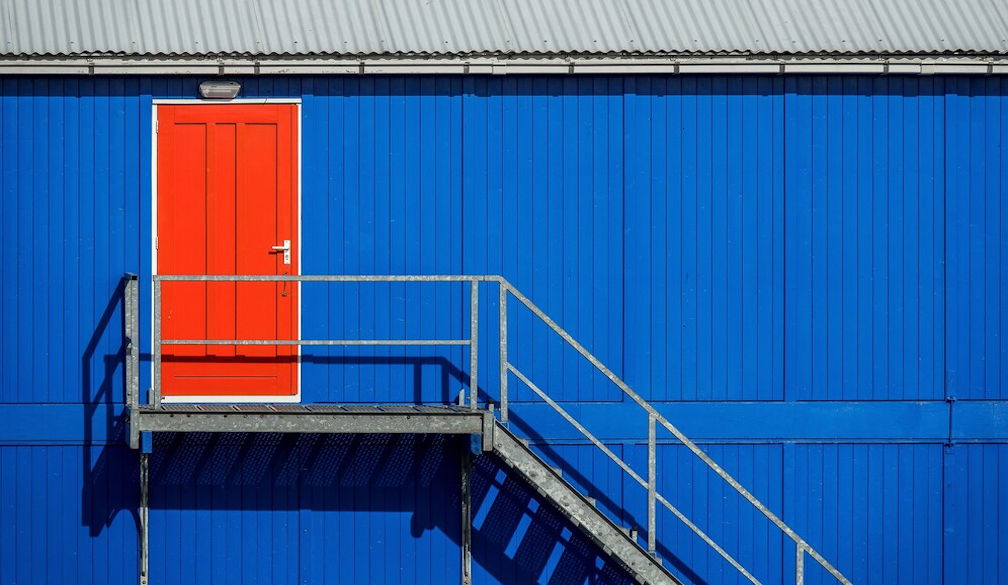
Steel sheds have long been associated with storage solutions, offering a durable and weather-resistant option for stashing away tools, garden equipment, and other miscellaneous items. However, their potential extends far beyond mere storage. With a bit of creativity and planning, a steel shed can be transformed into a versatile space that serves a variety of purposes. Here are seven innovative uses for steel sheds that go beyond traditional storage.
1. Home Office
In the age of remote work, a dedicated home office has become essential for many. Transforming a steel shed into a home office is a cost-effective way to carve out a quiet, separate workspace. Insulate the shed, add electrical wiring for lighting and office equipment, and furnish it with a comfortable desk and chair. With the right setup, you can create a productive environment that’s free from the usual household distractions.
2. Art Studio
Artists often require a space where they can immerse themselves in their work without interruptions. A steel shed can be converted into an inspiring art studio, providing the privacy and quiet needed for creativity to flourish. Install large windows or skylights to maximise natural light, and consider adding shelves and storage units for organising art supplies. With proper ventilation and some personalised touches, your steel shed can become the perfect creative retreat.
3. Home Gym
Creating a home gym in a steel shed is an excellent way to ensure you never miss a workout. Steel sheds are sturdy and can accommodate heavy exercise equipment such as treadmills, weight benches, and stationary bikes. Add rubber flooring to protect the shed’s floor and reduce noise, and ensure proper ventilation for comfort. Personalise the space with mirrors, a sound system, and motivational posters to create an energising workout environment.
4. Guest Room
A well-insulated and nicely furnished steel shed can serve as a cosy guest room, offering your visitors privacy and comfort. Install windows for natural light, and add heating and cooling systems to maintain a comfortable temperature year-round. Furnish the space with a comfortable bed, a small table, and some decorative touches to make it inviting. This is a perfect solution for accommodating guests without sacrificing your home’s interior space.
5. Hobby Workshop
Whether you’re into woodworking, crafting, or DIY projects, a steel shed can be the ideal workshop. Equip the shed with a sturdy workbench, ample storage for tools and materials, and good lighting. The durability of steel sheds ensures that your workspace remains functional and intact, even with heavy use. This dedicated space will allow you to focus on your hobbies without worrying about making a mess in the house.
6. Playhouse for Kids
Transforming a steel shed into a playhouse can provide a fun and safe environment for children to play and let their imaginations run wild. Decorate the interior with bright colors, add child-friendly furniture, and create themed play areas. Ensure the space is safe by covering any sharp edges and providing adequate ventilation. A playhouse can offer kids a dedicated space for creative play, away from the confines of the main house.
7. Garden Room
For those who love gardening, a steel shed can be converted into a serene garden room. Use it as a potting shed, greenhouse, or a relaxing retreat surrounded by your favorite plants. Install shelves and worktables for potting and plant care, and add comfortable seating where you can enjoy a book or a cup of tea. With the addition of large windows or transparent roofing panels, you can create a light-filled space that brings the outdoors in.
Conclusion
Steel sheds are versatile structures that can be adapted for numerous uses beyond traditional storage. With a bit of imagination and some modifications, you can transform a simple steel shed into a functional and enjoyable space that meets your unique needs. Whether you need a home office, an art studio, a home gym, or even a guest room, a steel shed offers a cost-effective and durable solution. Explore the potential of your steel shed and unlock its full range of possibilities.